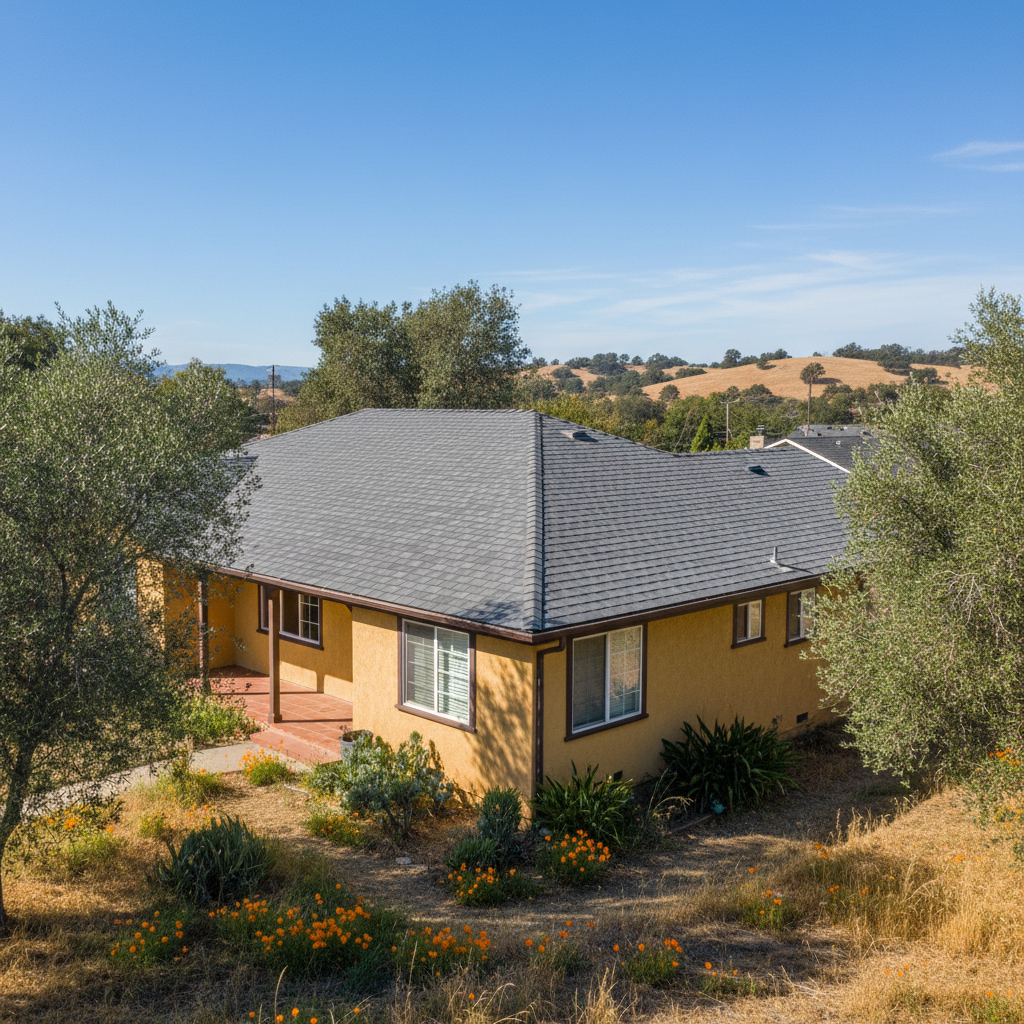
When's the Best Time for a New Roof in Citrus Heights?
Look, I get this question all the time: "When should I get my roof replaced?" It's a fair question, really, and honestly, the answer isn't always a simple "spring" or "fall." While those seasons often offer ideal conditions, there's actually more to it, especially right here in Citrus Heights.
For us, the sweet spot for roof installation usually falls outside the dead heat of summer and the peak of winter's rainy season. That means late spring, early summer, and then again in the fall are generally prime times. Why? It's all about the weather, and how it affects both the materials we use and my crew.
You want temperatures that aren't too extreme. If it's scorching hot, like those 100-degree days we get in July and August, asphalt shingles can get really soft. They're harder to work with, more prone to scuffing, and frankly, it's just plain brutal for the guys up there. On the flip side, when it's too cold, especially below 40 degrees, those same shingles can become brittle. They don't seal properly, and you risk cracking them during installation. Plus, sealants and adhesives just don't cure right in cold weather, do they?
So, when you call Heritage Roofing Solutions, we're not just looking at our calendar; we're looking at the forecast. We want to set you up for success, and that means picking a window where the weather's going to cooperate.
How Local Weather Really Affects Your Roof Project
Our Citrus Heights climate is pretty unique, isn't it? We get those long, dry, hot summers, followed by wet, sometimes chilly winters. This cycle has a big impact on roofing work, as you can imagine.
Summer Heat: Like I said, extreme heat makes shingles pliable. While that can be good for initial adhesion, it also means they're more vulnerable to damage during installation. My crew works early mornings during the summer to beat the worst of the heat, but it still slows things down. Plus, if we're doing tear-offs, that old roofing material gets incredibly hot, and it's just not ideal.
Winter Rains: This is the big one. You absolutely cannot install a roof in the rain. Water under new shingles can lead to all sorts of problems – mold, rot, and just plain failure of the roofing system. We're careful about checking the forecast. If there's even a chance of rain, we'll reschedule. It might be inconvenient, but it's way better than a leaky roof down the line. Those December downpours we get, especially after a dry spell, can be unpredictable, so we're always on alert.
Wind: Even on a sunny day, high winds can be a real problem. It's dangerous for the crew, and it can make it impossible to properly lay down materials, especially lighter ones like underlayment or even shingles before they're nailed down. We've had days where we've had to pause work because a sudden gust came through the Antelope area.
Understanding these local weather patterns helps us advise you on the best timing. Sometimes, it means a project takes a bit longer than expected, but that's just part of doing it right.
Protecting Your Investment Year-Round
Once your new roof is on, you've made a significant investment. Now, how do you keep it in top shape, no matter what Citrus Heights throws at it?
Regular Inspections: I can't stress this enough. Even if you think everything's fine, get up there (or have us do it) once or twice a year. After a big storm, it's a must. Look for cracked, curled, or missing shingles. Check around vents, chimneys, and skylights for any signs of wear or separation. We often see debris buildup in gutters around the Rusch Park area, which can cause water to back up under shingles.
Clean Gutters: This is a simple one, but so many homeowners neglect it. Clogged gutters mean water can't drain properly. It backs up, sits on your roof, and can seep under your shingles, leading to rot and fascia damage. Clean them out, especially after leaf fall in autumn and before the heavy rains hit.
Trim Trees: If you have branches overhanging your roof, they're a problem. They drop leaves and debris, scratch shingles, and in a strong wind, a falling branch can do serious damage. Keep them trimmed back, ideally at least 6-8 feet away from your roofline.
Ventilation is Key: Proper attic ventilation helps regulate temperature and moisture. In our hot summers, it prevents heat buildup that can cook your shingles from underneath, shortening their lifespan. In winter, it helps prevent condensation that can lead to mold and rot. Make sure your attic isn't sealed up tight.
A new roof from Heritage Roofing Solutions is built to last, but even the best roof needs a little care. Stay proactive, and you'll protect your home and your wallet for years to come.