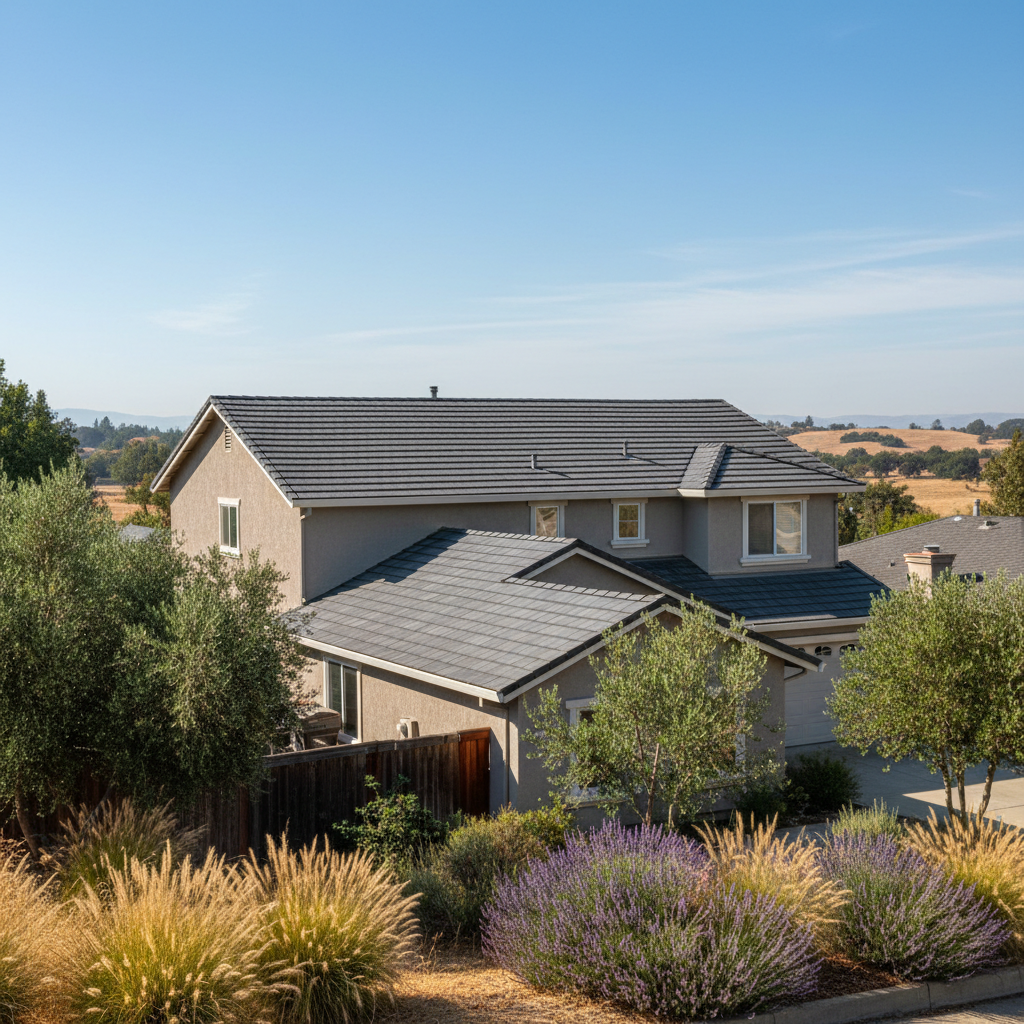
Alright, let's talk roofs here in Citrus Heights. You've got a home, and that roof over your head? It's one of your biggest investments. When it's time for a new one or a big repair, the local climate really dictates how smoothly things go and, frankly, how long that roof will actually last. I've been doing this a long time with Heritage Roofing Solutions, and I've seen firsthand what our Sacramento Valley weather can dish out.
When's the Best Time to Get a New Roof in Citrus Heights?
Honestly, this is one of the most common questions I get asked. You might think any time is fine, but that's just not the case. Our Mediterranean climate, with its hot, dry summers and mild, wet winters, means we have some really good windows and some times you should probably steer clear of, if you can help it.
Spring: Often Your Best Bet
If you can manage it, spring — say, March through May — is usually perfect around here. The temperatures are just right, not too hot, not too cold. This is ideal for roofing materials like asphalt shingles; they need those moderate temps to seal and cure properly. Plus, our crews can work efficiently without battling extreme heat, and you're generally ahead of the summer rush. Oh, and if you had any leaks pop up during the winter rains, now's your chance to get them fixed before they turn into bigger headaches.
Fall: Another Strong Contender
Fall (September, October, early November) is another excellent time to plan for a roof. The intense summer heat finally starts to back off, and we usually get a nice stretch of dry, comfortable days before the serious rain starts. This lets the materials stick correctly and gives your new roof time to settle in before the winter storms hit. Just a heads up, though: a lot of people have the same idea, so booking early in the fall is a smart move to beat the crowds.
Summer: Manageable, But Hot
Summer (June, July, August) has its good points and bad points. On the bright side, it's almost guaranteed to be dry, which means no rain delays. And with longer daylight hours, crews can often get more done. But here's the kicker: it gets HOT. I mean, really hot. We're talking average highs in July hitting 94-95°F, and it can easily climb past 100°F. Extreme heat can make asphalt shingles softer and tougher to work with, which might affect the installation. Our guys take plenty of breaks and stay hydrated, of course, but it can definitely slow things down. If you're scheduling in summer, try to aim for earlier in the season, if possible, before that peak heat really sets in.
Winter: Generally Not Ideal for Installation
Winter (December, January, February) is when Citrus Heights sees most of its rain. We're talking an average of 3-4 inches in both January and February. This makes roof installation pretty tricky. Moisture can get trapped during the process, and that can lead to problems down the road. Cold temperatures can also make some materials brittle or keep sealants from curing right. Unless it's an emergency repair, I usually tell homeowners to wait on a full replacement until spring. If you've got a leak, though, that's a whole different ballgame – we'll be out there to fix it, come rain or shine.
Weather Conditions That Affect Roofing Work
Beyond just the season, specific weather conditions directly impact how we do our job and how well your new roof will perform.
- High Heat: As I mentioned, our scorching summers can soften asphalt shingles, making them more prone to damage during installation. It also means we have to slow down to keep our crew safe and ensure the work is top-notch.
- Rain: This is a big one. You simply can't install a roof on a wet surface. Rain delays are common in winter, and even spring can bring unexpected showers. We always keep a close eye on the forecast, but sometimes Mother Nature has other plans, doesn't she?
- Cold Temperatures: While not as extreme as some places, our winter lows can dip into the high 30s. Cold weather can make some roofing materials less flexible and impact how adhesives and sealants cure.
- Wind: Even without major storms, strong winds can make roofing dangerous and can lift newly laid materials before they've had a chance to properly stick.
- Humidity: Citrus Heights generally has low humidity, which is good for roofing. High humidity can affect how some materials dry and cure, though it's less of a concern for us than in more coastal or humid climates.
Protecting Your Roofing Investment Year-Round
Once you've got that new roof from Heritage Roofing Solutions, you want it to last, right? Here's how to protect it, no matter the season:
- Clear Those Gutters: This is a simple task, but it's incredibly important. Clogged gutters mean water can't drain properly, leading to overflows that can damage fascia boards and even back up under your shingles. Especially after the leaves fall from those big oak trees common in neighborhoods like Old Auburn Road, get 'em cleaned out.
- Regular Inspections: I recommend a professional inspection at least once a year, ideally in the fall before the rains, or in the spring after winter. We can spot small issues like loose shingles, damaged flashing, or granule loss before they become big, expensive problems.
- Trim Overhanging Branches: Trees are wonderful, but branches rubbing against your roof can wear down shingles over time. Plus, falling branches during windstorms can cause serious damage.
- Watch for UV Damage: Our intense California sun is no joke. UV rays break down roofing materials over time, making them brittle and causing them to crack or curl. If you're getting a new roof, consider materials with good UV resistance.
- Address Repairs Promptly: Don't put off small repairs. A tiny leak can turn into major structural damage or mold growth surprisingly fast.
- Ensure Proper Ventilation: Good attic ventilation helps regulate temperature and moisture, which is crucial in our climate. It prevents heat buildup in summer and moisture accumulation in winter, extending your roof's life.
Your roof is constantly battling the elements, from the searing summer sun to the occasional heavy downpour. By understanding our local climate and taking a proactive approach, you can ensure your roof protects your home for years to come. If you've got questions or need an inspection, you know who to call.