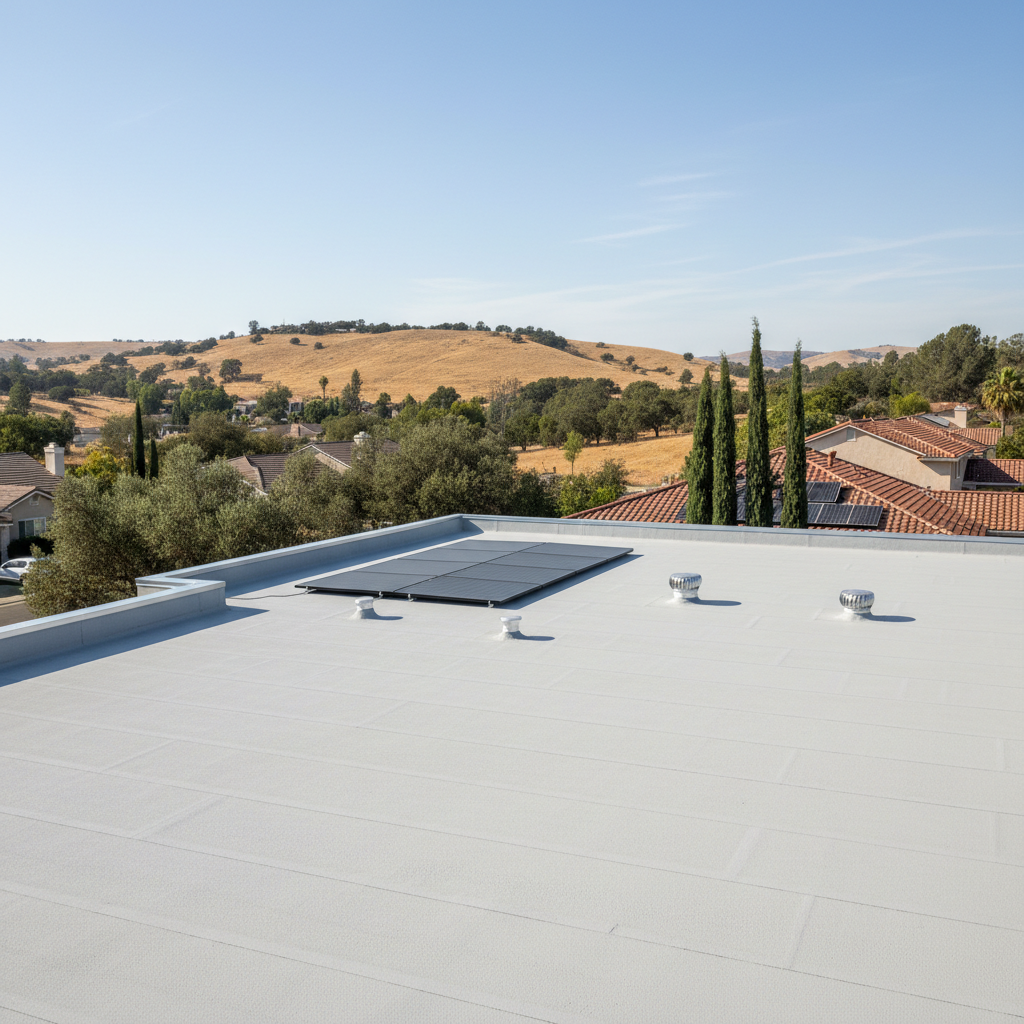
Flat roofs are pretty common, especially on additions, garages, or even some modern homes around areas like Greenback Lane. They're great for maximizing space and can be really durable, but they're also a bit different from your typical sloped shingle roof when it comes to upkeep. You can't just ignore them and expect them to last, can you? Here's what I tell folks about keeping their flat roof in top shape, especially with our hot summers and those occasional heavy winter rains we get.
Extending Your Flat Roof's Lifespan
The biggest thing you can do to make your flat roof last is to keep it clean and keep an eye on it. I know, sounds simple, right? But it's true. Our intense California sun bakes these roofs year after year, and then the rain comes and washes debris around. That combination can really take a toll.
- Keep it Clean: Debris like leaves, twigs, and even dirt can trap moisture against the roofing material. This is a big problem for flat roofs because water doesn't shed as quickly as it does on a steep pitch. That trapped moisture can lead to algae growth, rot, or even break down the membrane over time. I'm talking about things like oak leaves from those big trees in neighborhoods like Sunrise Oaks, or pine needles that just sit there. Get up there (safely!) a couple of times a year, especially after windy days or heavy rain, and clear it off. A leaf blower works wonders, or a soft broom.
- Prevent Ponding Water: This is probably the number one enemy of a flat roof. If you see standing water more than 48 hours after a rain, you've got a problem. It means your roof isn't draining properly, and that water is just sitting there, putting stress on the membrane and finding any tiny weakness to exploit. Sometimes it's just debris blocking a drain; other times, it's a sag in the deck. We've seen it all.
- Protect the Surface: If your flat roof has a gravel or granule surface, try to keep it intact. These aren't just for looks; they protect the underlying membrane from UV rays. If you're walking on it, be careful not to dislodge too much. For TPO or PVC roofs, avoid dragging sharp objects or using harsh chemicals that could degrade the material.
Regular Maintenance You Can Do
You don't need to be a roofing expert to do some basic checks. A little proactive work goes a long way. I usually recommend doing a quick check-up twice a year – once in late spring after the last rains, and again in late fall before the winter storms really hit.
- Check Drains and Scuppers: Make sure they're clear of any leaves, dirt, or bird nests. A blocked drain is a guaranteed way to get ponding water.
- Inspect the Membrane: Look for any cracks, blisters, punctures, or tears. Pay close attention to seams and around any penetrations like vents, skylights, or AC units. These are often the first places problems show up. You're looking for anything that looks out of place or compromised.
- Look at the Flashing: This is where the roof meets walls, parapet walls, or other vertical surfaces. Make sure the flashing is secure and sealed. If you see any lifting or cracking in the sealant, it's a red flag.
- Trim Overhanging Branches: Tree branches rubbing against the roof or constantly dropping debris will wear down the surface. Keep them trimmed back a few feet.
Warning Signs of Flat Roof Problems
You don't want to wait until water is dripping into your living room to realize you have a roof problem. Catching these signs early can save you a ton of money and hassle.
- Ponding Water: As I mentioned, if water is still sitting on your roof 48 hours after it rains, that's a definite issue.
- Blistering or Bubbling: These are usually signs of trapped moisture or gases under the membrane, often due to poor adhesion or water intrusion.
- Cracks or Tears: Even small ones can let water in, and they'll only get bigger with our temperature swings.
- Soft Spots: If you're walking on the roof and feel a soft, spongy area, that's a strong indicator of water damage to the decking underneath. Don't ignore this one.
- Granule Loss (for granulated roofs): If you see a lot of granules washing into your gutters or drains, it means the protective layer is wearing away, exposing the membrane to UV damage.
- Stains or Mold: Any dark streaks or green growth on the roof surface, especially near drains or low spots, can indicate persistent moisture.
- Interior Water Stains: This is the most obvious sign, but often means the problem has been going on for a while. Look for stains on ceilings or walls, especially after rain.
When to Call a Professional
While you can do a lot of the basic maintenance yourself, there are times when you really need to call in the pros. Don't try to DIY a major repair unless you're experienced; you could make things worse or even void your warranty.
- Significant Damage: If you find large cracks, tears, widespread blistering, or soft spots, it's time to call us. These usually require patching or re-sealing that needs specific materials and techniques.
- Persistent Ponding: If clearing drains doesn't solve the ponding water issue, it might be a structural problem with the roof deck or improper slope, which needs professional assessment.
- Leaks Inside: If you're seeing water stains or drips inside your home, don't delay. A professional can pinpoint the source of the leak, which isn't always directly above the stain.
- Aging Roof: If your flat roof is getting up there in years (most last 15-25 years depending on the material and maintenance), it's a good idea to have it inspected periodically. We can give you an honest assessment of its remaining lifespan and recommend any preventative measures.
- Before and After Major Storms: After a particularly heavy downpour or a strong wind event, it's smart to have a professional check for damage you might miss.
Look, your flat roof is an investment. Taking a little time for regular maintenance and knowing what to look for can save you from costly repairs down the line. If you're ever unsure about something you see up there, don't hesitate to give Heritage Roofing Solutions a call. We're right here in Citrus Heights, and we're always happy to take a look and give you an honest opinion.