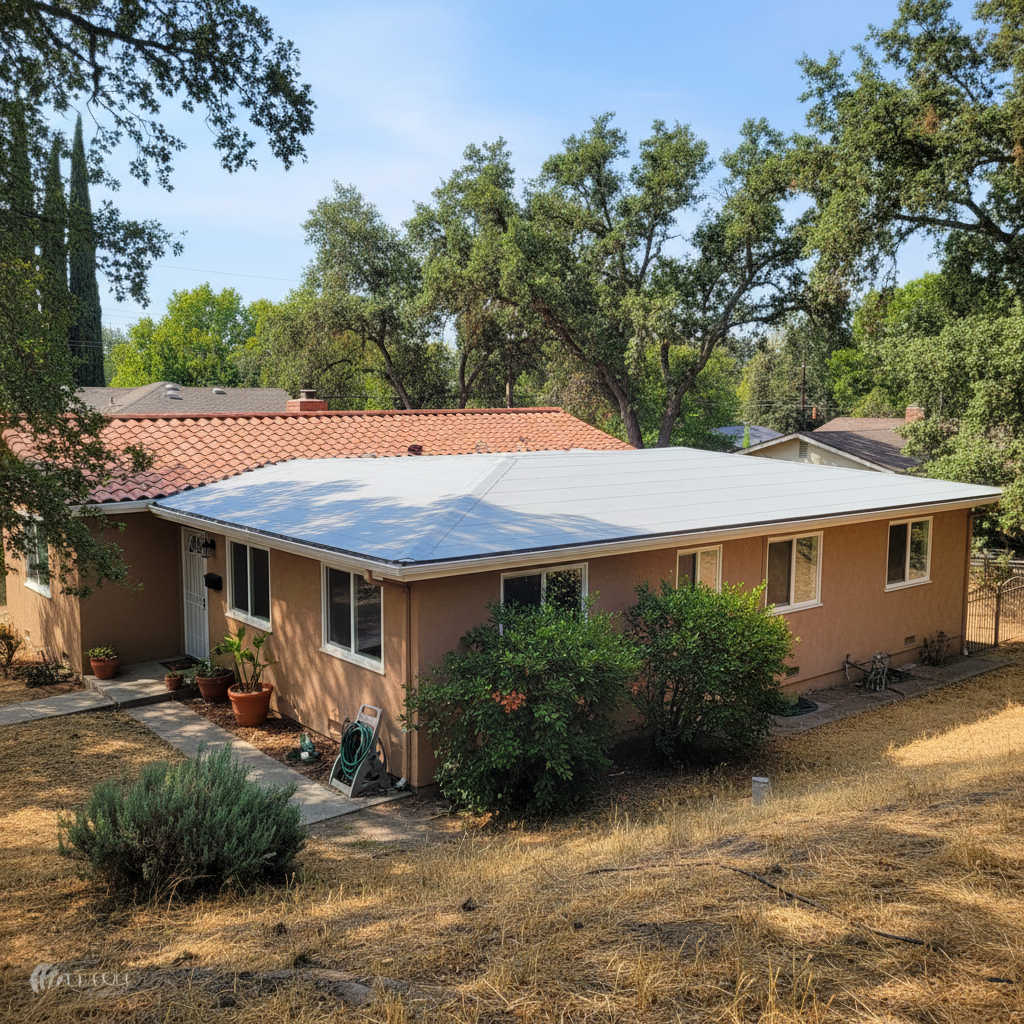
Flat roofs are a bit different, aren't they? You see them all over commercial buildings, of course, but I'm noticing more and more folks in Citrus Heights putting them on additions, garages, or even parts of their custom homes. They look sleek, no doubt, but they also come with their own set of considerations, especially with our local climate. I've been working on roofs around here for years, and I can tell you, timing is everything with a flat roof.
When's the Best Time to Work on a Flat Roof?
Honestly, for any major flat roof work – like putting in a new one or a full replacement – you're really looking for dry, moderate weather. That means spring and fall are your best friends. Think late April through June, or September through early November. Why those times?
Temperature Matters: Lots of flat roofing materials, especially modified bitumen or TPO, need specific temperatures to stick and cure right. If it's too cold, the materials just won't bond properly. Too hot, and they can get too soft or off-gas too quickly, which causes problems later. Our summer days in Citrus Heights, often hitting 100+ degrees, are simply too extreme for installing many systems the way they should be.
Moisture is the Enemy: This one's pretty obvious, right? You absolutely cannot install a flat roof system on top of a wet surface. Even a little moisture trapped underneath can lead to blisters, delamination, or mold. Our rainy season, usually November to March, makes scheduling tough. Sure, you might get a few dry days, but the ground and air humidity can still be high. It's just not worth the risk, if you ask me.
Wind Can Be a Problem: Not as crucial as temperature or moisture, maybe, but strong winds can make putting down large sheets of material difficult and even dangerous. We don't get hurricanes here, thankfully, but those blustery days we sometimes see in spring can definitely complicate things.
So, if you're thinking about a new flat roof or a big repair, try to plan ahead for those shoulder seasons. It gives us the best shot at doing the job right the first time.
How Citrus Heights Weather Affects Flat Roofs
Our weather here in the Sacramento Valley really puts flat roofs through their paces. It's not just the rain; it's the whole package, really.
Intense Summer Sun: This is probably what causes the most damage to flat roofs. The UV rays are brutal. They break down materials, making them brittle, cracked, and less flexible. That's why I always suggest high-quality, reflective coatings or materials specifically made to handle extreme UV exposure. You'll spot plenty of older flat roofs around the Foothill Farms area that haven't had proper maintenance, and they just bake in the sun, leading to early failure.
Temperature Swings: We often see big temperature swings, sometimes 30-40 degrees in a single day. This constant expansion and contraction stresses the roofing materials and seams. Over time, that stress can cause cracks or separation, giving water an easy way in.
Winter Rains: While flat roofs are designed to shed water, they do it slower than a sloped roof. Any standing water, even for a short bit, can find its way into a tiny crack or a compromised seam. Plus, debris like leaves from nearby oak trees can clog drains or create dams, leading to prolonged ponding. Cleaning things up regularly is super important before and after the rainy season.
Protecting Your Flat Roof Investment Year-Round
You've put money into that flat roof, so you want it to last, right? Here's what I tell my clients to do to keep it in top shape:
Regular Inspections: I can't say this enough. At least twice a year, or after any big storm, get up there (safely!) or have a professional do it. Look for cracks, blisters, separated seams, or debris. Catching a small issue early can save you a huge headache and a lot of money down the road.
Keep it Clean: Clear off leaves, branches, and any other junk. Make sure drains and scuppers are flowing freely. Standing water is a flat roof's worst enemy. If you've got trees overhanging your roof, maybe think about trimming them back.
Consider a Coating: If your flat roof isn't already coated, or if it's an older system, a reflective coating can work wonders. It protects against UV damage, makes the roof last longer, and can even help with energy efficiency by reflecting sunlight and keeping your building cooler. It's a great proactive step.
Don't Ignore Small Leaks: A small drip inside often means a much bigger problem on the roof. Don't put it off. Water damage spreads fast and can lead to costly structural repairs if you let it go too long.
Professional Maintenance: Think of it like your car. Regular check-ups by someone who knows what they're looking at can spot potential issues before they turn into emergencies. Heritage Roofing Solutions offers maintenance plans that can truly give you peace of mind.
Flat roofs are great, but they do need a little more love and attention than your typical sloped roof. By understanding our local weather patterns and staying on top of maintenance, you can make sure your flat roof protects your home or business for many years to come. If you've got questions or need a hand, you know who to call.