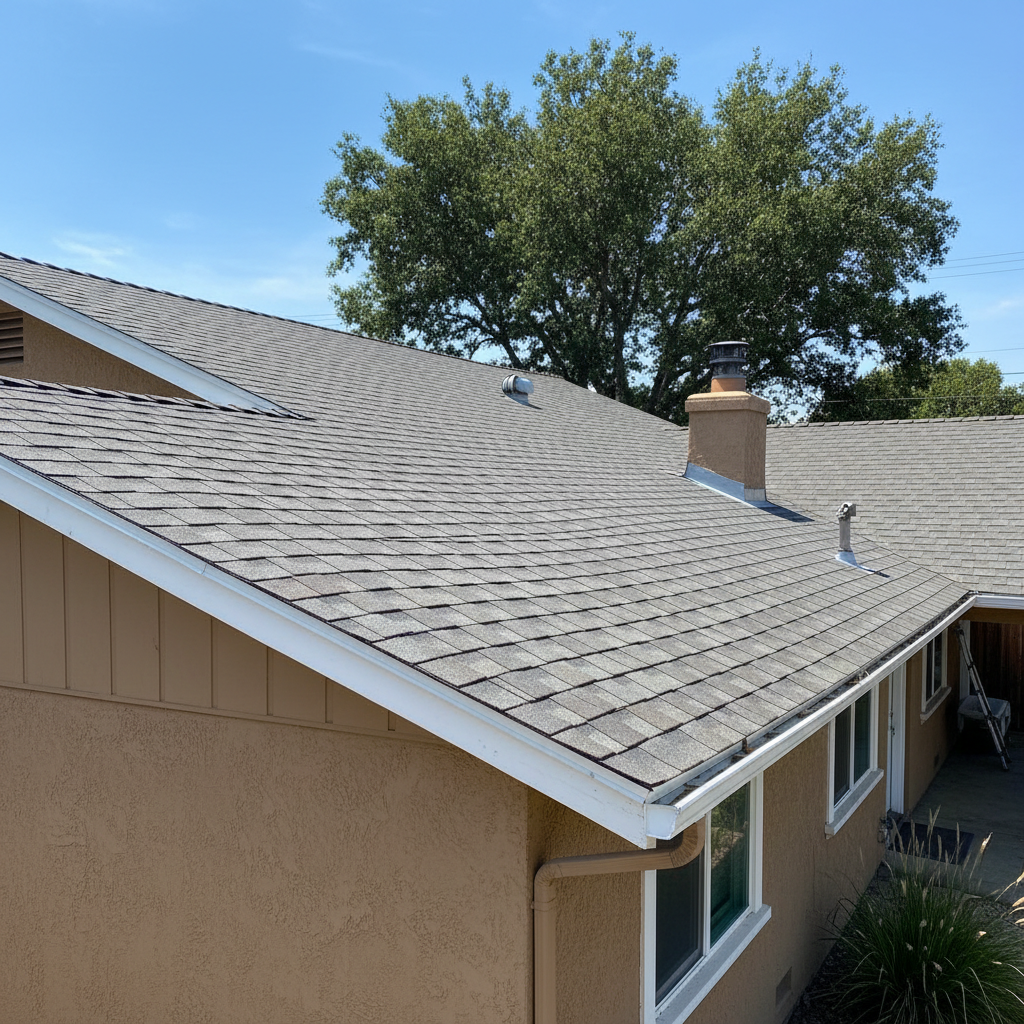
So, you've just had a brand-new roof put on your home here in Citrus Heights. Maybe Heritage Roofing Solutions did the job, maybe someone else. Either way, that's a big investment, and you want it to last, right? A new roof isn't a 'set it and forget it' kind of deal, especially with our California climate. You've got to give it a little love to make sure it stands up to our hot summers and those occasional heavy winter downpours.
Your Roof's Lifespan: What Happens After Installation
The installation itself is just the beginning. To really get the most out of your roof, you need to think long-term. It's not rocket science, but it does take some consistent effort. Here's what I tell folks:
- Keep it Clean: Debris is your enemy, plain and simple. Leaves, pine needles (especially from those big Ponderosa pines you see around neighborhoods like Sunrise Oaks), twigs, even small branches can pile up in valleys and around chimneys. This traps moisture, which can lead to rot, mold, and even damage your shingles or tiles over time. Clear it off regularly, especially after windy days or big storms.
- Trim Those Trees: This goes hand-in-hand with cleaning, really. If you have branches overhanging your roof, they're constantly dropping debris. Worse, they can scrape against the roof in the wind, wearing down shingle granules or even cracking tiles. And a falling branch? That's a whole different kind of headache. Keep them trimmed back at least 6-10 feet from your roofline.
- Fix Small Issues Fast: Don't put off small problems. A tiny crack in a tile or a lifted shingle might seem minor, but it's an open invitation for water to get in. Water intrusion is the number one killer of roofs and can lead to expensive damage to your attic, insulation, and even your home's structure.
What Regular Maintenance Looks Like
You don't need to be up on your roof every weekend, but a routine check-up is smart. I recommend doing a visual inspection from the ground with binoculars at least twice a year – once in the spring after winter rains, and again in the fall before the wet season starts. If you're comfortable and have the right safety gear, a walk-around on the roof itself can be even better, but be careful!
Here's what you're looking for:
- Gutters and Downspouts: Make sure they're clear and flowing freely. Clogged gutters mean water can back up under your shingles or overflow and damage your fascia boards and landscaping.
- Shingles/Tiles: Are they lying flat? Are there any missing, cracked, curled, or blistering ones? For asphalt shingles, look for excessive granule loss – that's the protective coating, and if it's gone, your shingle is exposed.
- Flashing: This is the metal around chimneys, skylights, and vents. It's crucial for preventing leaks. Check for any signs of rust, cracks in the sealant, or if it's pulled away from the surface.
- Vents and Skylights: Ensure they're secure and free of cracks. Check the seals around them.
- Attic Check: Go into your attic occasionally, especially after a heavy rain. Look for water stains, mold, or any signs of light coming through. This is often the first place you'll spot a leak.
Warning Signs of Problems
Sometimes, your roof will tell you it's got an issue before you even get up close. Don't ignore these signals:
- Water Stains on Ceilings or Walls: This is a classic sign of a leak. Don't assume it's just a plumbing issue; often, it's coming from above.
- Sagging Roof Deck: If you see dips or sags in your roofline from the street, that's a serious structural concern and needs immediate attention.
- Higher Energy Bills: A compromised roof or poor attic ventilation can lead to your HVAC system working overtime, especially during our scorching Citrus Heights summers.
- Loose Granules in Gutters: A small amount is normal, but if you're seeing a lot of shingle granules in your gutters, it means your shingles are wearing out.
- Missing Shingles After a Storm: Obvious, I know, but sometimes people don't notice until a leak pops up.
When to Call a Professional
You can handle a lot of the basic stuff yourself, but some jobs are best left to the pros. If you see any of the serious warning signs I just mentioned, or if you're uncomfortable getting on your roof, definitely give us a call. Here's when you should pick up the phone:
- You Suspect a Leak: Even if you can't pinpoint it, a professional can.
- Major Storm Damage: High winds or hail can do a lot of damage quickly.
- Extensive Shingle/Tile Damage: If it's more than just a couple of loose pieces, you might need a repair that requires specialized tools or materials.
- Any Structural Concerns: Sagging, major cracks, or anything that looks like it's affecting the integrity of your roof.
- Regular Maintenance Checks: If you're not up for doing it yourself, a professional can perform a thorough inspection and catch small issues before they become big ones.
Look, your roof is your home's first line of defense against the elements. Taking care of it isn't just about saving money on repairs later; it's about protecting your entire home and everything inside it. A little proactive maintenance goes a long way in ensuring that your roof, whether it was installed by Heritage Roofing Solutions or another reputable contractor, lasts as long as it possibly can.