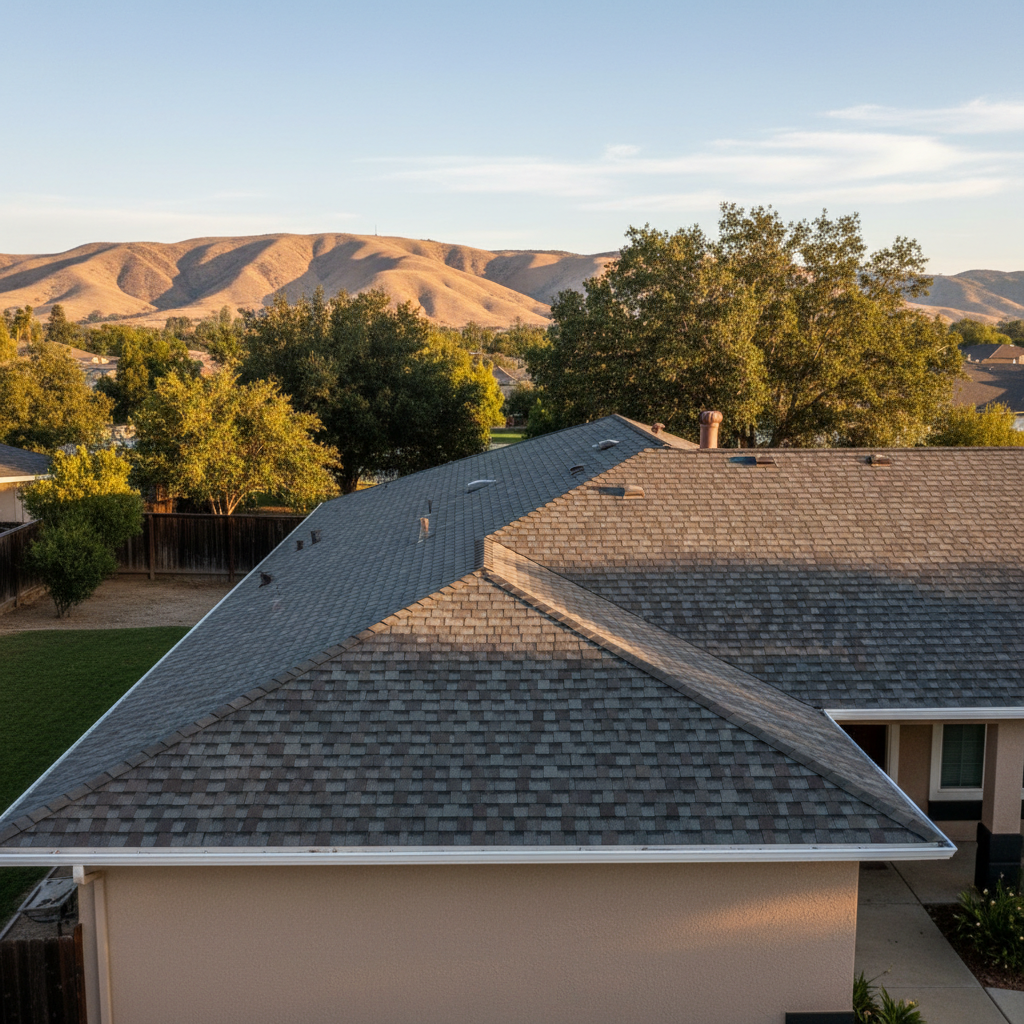
Alright, so you've just had a brand-spanking-new roof put on your Citrus Heights home. Congrats! That's a huge move toward keeping your biggest investment safe. But here's the kicker: a new roof isn't something you can just install and forget about, especially with the wild weather we get around here. You really have to take care of it if you want it to last. I've seen too many good roofs wear out way too soon because people didn't know what to look for or what steps to take.
Making Your Roof Last Longer in Our California Climate
Our California climate, especially right here in the Sacramento Valley, really puts a roof through its paces. We get those super hot, dry summers with intense UV rays that just bake everything. Then come our wet winters, bringing heavy rains and sometimes really strong winds. This constant back-and-forth between extreme heat and moisture can seriously wear down roofing materials. So, what's the best way to fight back?
- It all starts with a good installation: You've already nailed this by picking a quality contractor. A proper installation, using the right underlayment and flashing, is your first line of defense against our local climate.
- Ventilation is super important: Good attic ventilation helps balance the temperature difference between your attic and outside. In summer, it lets all that super-heated air escape, which stops shingles from drying out and cracking too soon. Come winter, it helps prevent condensation from building up, which can lead to rot and mold.
- Pick the right materials: If you had a say in your new roof, hopefully, you chose materials that are a good fit for our area. Asphalt shingles are common, but they need proper care to stand up to the sun's UV rays. Tile and metal roofs generally handle our sunshine better, but they still need some attention.
- Trim those trees: This one is a big deal, especially in older Citrus Heights spots like Sycamore Park or Sunrise, where you see mature trees everywhere. Branches hanging over your roof drop leaves, pine needles, and other debris right onto your roof and into your gutters. This stuff traps moisture, inviting mold, rot, and causing asphalt shingles to lose their granules. Try to keep branches at least 6 to 10 feet away from your roof.
Regular Maintenance: Your Roof's Best Friend
Think of roof maintenance like getting your car's oil changed. You wouldn't skip that, would you? Your roof needs regular check-ups, too. I always tell folks to do a thorough inspection twice a year—once in early fall before the really heavy rains start, and then again in the spring after storm season wraps up.
Here’s what you should be checking:
- Clean your gutters and downspouts: You absolutely have to do this. Clogged gutters can make water back up under your roof's edge, causing your fascia board to rot and even leading to foundation problems. Do this in late fall and again in spring.
- Clear debris off the roof surface: Leaves, twigs, and other junk can hold moisture and speed up wear and tear. Gently remove it, especially from valleys and around chimneys.
- Inspect the flashing: Flashing, those metal strips around chimneys, skylights, vents, and where your roof meets a wall, is often where leaks first pop up. Look for any rust, cracks, lifting, or dried-out sealant.
- Check for damaged shingles or tiles: From the ground, grab some binoculars and look for anything that seems off. Are there any missing, cracked, or curling shingles? Are you seeing a lot of granules in your gutters? That's a sure sign your asphalt shingles are losing their protective layer. If you have a tile roof, check for any cracked or slipped tiles.
- Take a peek inside your attic: On a sunny day, head up there. Turn off the lights and look for any tiny pinpoints of light coming through the roof deck. Also, check for water stains, damp insulation, or a musty smell.
Warning Signs That Something's Wrong
Sometimes, even if you do everything right, things still go sideways. Don't ignore these red flags:
- Water stains on your ceilings or walls: This is usually the clearest sign of a leak. Just remember, water can travel, so the stain might not be right under where the leak is.
- Missing, cracked, or curling shingles: We already talked about these, but if you spot them, it's a problem that needs to be fixed.
- A sagging roofline: If your roof looks like it's dipping or uneven, that's a serious structural issue and could point to water damage or rot.
- Lots of granules in your gutters: A few granules are normal, but if you're seeing a bunch, it means your shingles are wearing out.
- Blistering or bubbling on flat roofs: If you've got a low-slope or flat roof, bubbles mean moisture or air is stuck underneath, and the adhesive isn't doing its job anymore.
When It's Time to Call a Professional
Look, I'm all for homeowners being proactive, but some jobs are just better left to the pros. Don't try to DIY anything that involves getting on a steep roof, especially if you're not comfortable or don't have the right safety gear. You could end up causing more damage or, worse, getting hurt.
You should absolutely call a professional roofer like us at Heritage Roofing Solutions when:
- You notice any of those warning signs we just discussed: Especially leaks, significant shingle damage, or a sagging roof. Small problems can quickly turn into major, expensive damage.
- After a big storm: Even if you don't see obvious damage, high winds or heavy rain can hide issues.
- For routine inspections: A professional inspection every 2 to 3 years can spot things you might miss and really help extend your roof's life.
- You're just not sure about something: If you see something that just doesn't look right, don't hesitate to call. It's always better to be safe than sorry, right? We're here to help you protect your home.
Your new roof is a big investment. With a little regular attention and knowing when to bring in the cavalry, you'll keep it in great shape for many years to come.