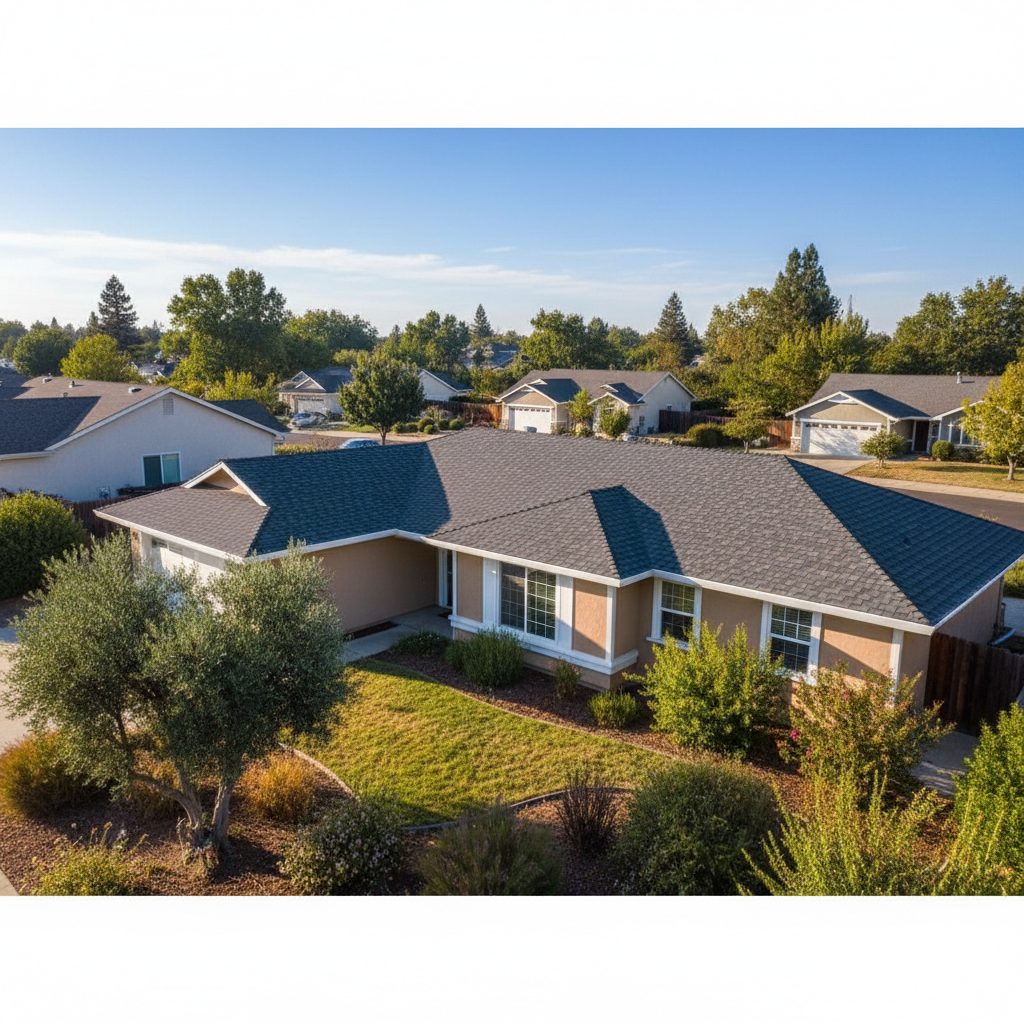
When Is It Time for a New Roof?
Look, nobody wakes up excited to replace their roof. It's a big investment, and usually, you're only thinking about it when there's a problem. But sometimes, the signs are pretty subtle. I've been doing this for a long time, and I can tell you, ignoring those early warnings can cost you a lot more down the road, believe me.
You'll often see things like missing or cracked shingles, especially after a good windstorm. If your shingles are curling, buckling, or losing a lot of their granules, that's a pretty clear sign they're at the end of their life. I see a lot of granule loss here in Citrus Heights, especially on homes built in the 70s and 80s in neighborhoods like Greenback Wood, where those original asphalt shingles have just been baking in our intense summer sun for decades. Another big one is dark, dirty-looking streaks on your roof. That's usually algae or mold, and while it doesn't always mean immediate replacement, it does indicate moisture issues and can degrade your shingles faster.
And then there are the leaks. If you've got water stains on your ceiling or in your attic, your roof isn't doing its job anymore. Don't just patch it and hope for the best if it's an older roof. A leak often means the underlying structure or membrane is compromised, and a full replacement is usually the smartest move.
Why Local Conditions Matter for Your New Roof
You can't just pick any old roof and expect it to last here. Our climate in Citrus Heights is unique, and it puts specific stresses on roofing materials. We get those long, hot, dry summers where temperatures can easily hit triple digits for days on end. That intense UV exposure and heat can really dry out and crack lesser quality shingles over time. Then, we swing into our wet, sometimes stormy winters. That's when you find out if your roof can actually handle the rain and wind.
I’ve also noticed that the clay soil we have around here, especially in some of the older subdivisions, can contribute to foundation movement over the years. While it's not directly a roofing issue, it can sometimes cause minor shifts in the roof structure, making proper flashing and installation even more critical to prevent leaks down the line. A good roofer knows how to account for these things.
You need materials that are designed to withstand this kind of abuse. That means good quality asphalt shingles with excellent UV protection, or considering something like a tile or metal roof if you're looking for maximum durability and longevity. I always recommend looking at options that come with strong warranties against heat and wind damage, because you'll definitely be testing them here.
Choosing the Right Materials for Our Area
When it comes to materials, you've got choices. Most folks around here go with asphalt shingles, and for good reason. They're affordable, come in tons of colors, and modern ones are pretty tough. But not all asphalt shingles are created equal. You want architectural shingles, not the old 3-tab kind. They're thicker, more durable, and look a lot better.
Tile roofs are another popular option, especially on some of the custom homes or Spanish-style houses you see. They last forever and look fantastic, but they're heavier and more expensive upfront. Metal roofs are gaining popularity too. They're incredibly durable, energy-efficient, and can handle our weather like champs. I've installed plenty of them through Heritage Roofing Solutions, and homeowners love how long they last and how little maintenance they need.
Whatever you choose, make sure your contractor is using quality underlayment and proper ventilation. Good ventilation is huge here. It helps keep your attic cooler in the summer, which extends the life of your shingles and lowers your energy bills. Without it, that attic heat just bakes your roof from the inside out.
Why Local Expertise Isn't Just a Buzzword
You might think a roof is a roof, no matter who installs it. But trust me, that's not how it works. When you're replacing a roof in Citrus Heights, you want someone who knows Citrus Heights. Someone who's dealt with our specific building codes, understands the common issues we face with our climate, and knows the local suppliers.
A local contractor, someone like us at Heritage Roofing Solutions, isn't just going to slap on a new roof. We're going to inspect your attic, check your decking, and make sure everything underneath is sound. We know the common ways roofs fail around here because we've seen them. We know the best practices for ventilation that actually work in our hot summers. We're also right here if you have a problem down the road. You don't want to be calling some company from out of town if a storm hits and you need a quick repair.
Don't just go for the cheapest bid. Ask about their experience in Citrus Heights, ask for local references, and make sure they're licensed and insured. A new roof is a big deal, and you deserve to have it done right by someone who knows our community inside and out.